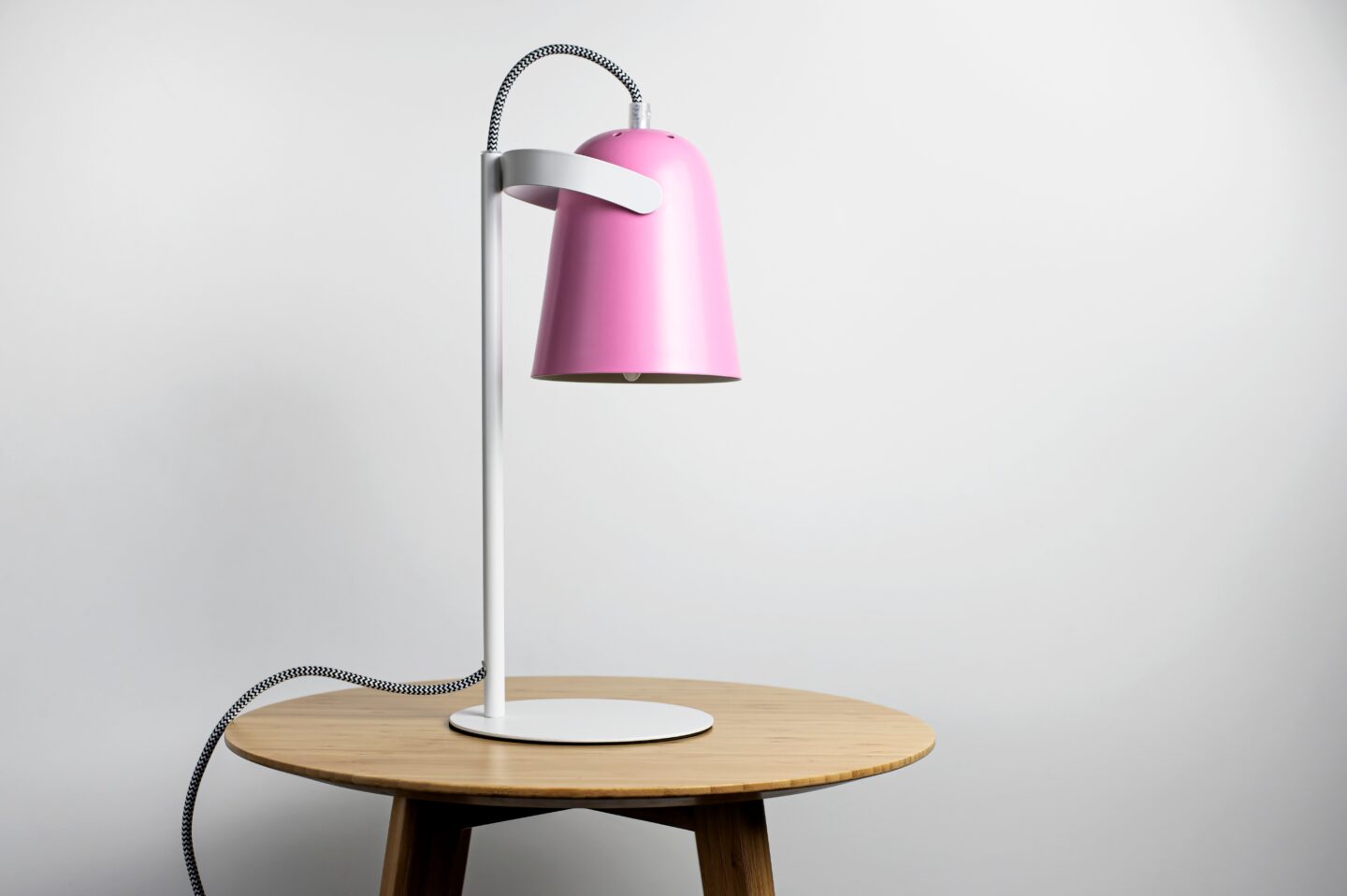
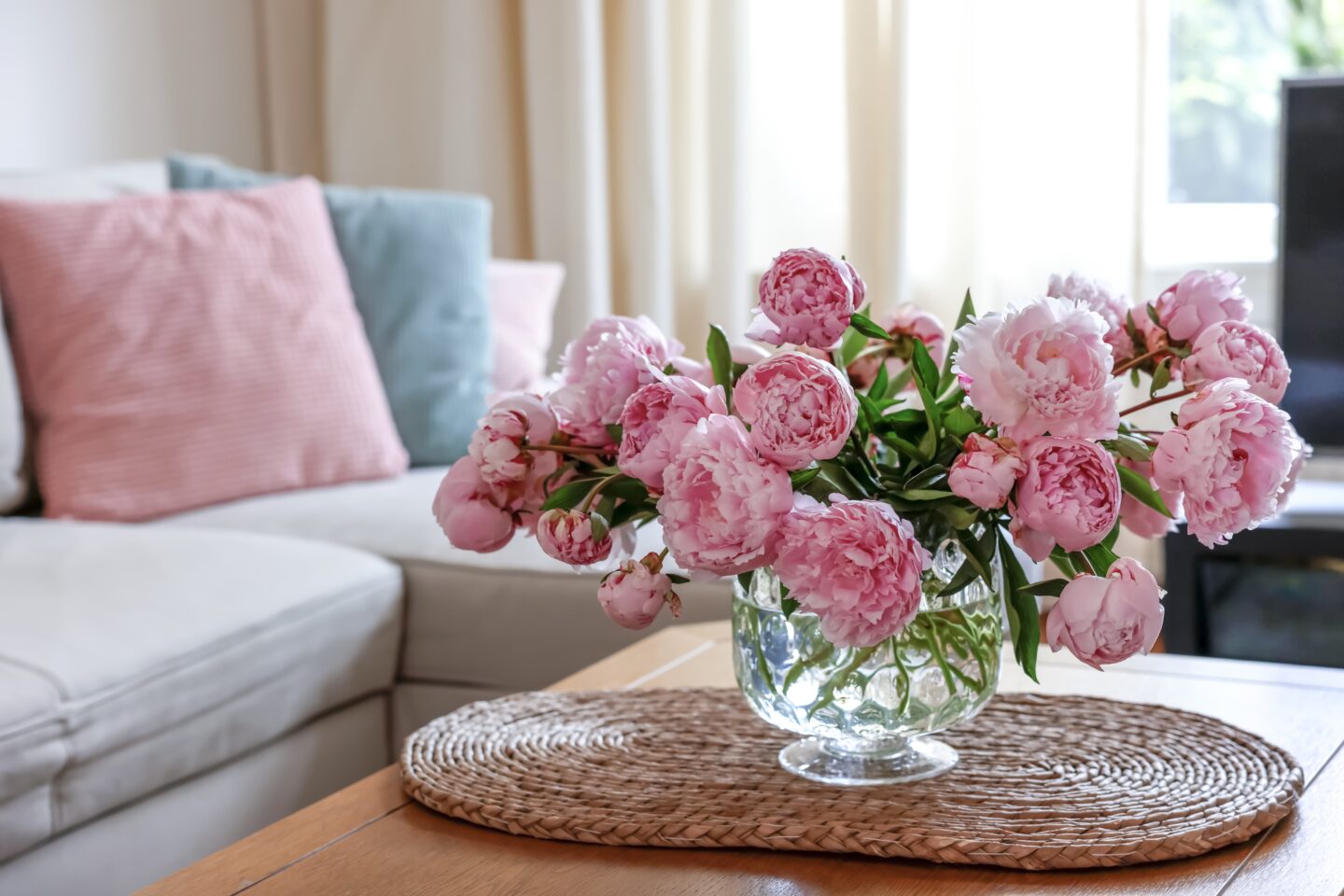
There’s a scientific reason for our love of hot pink as well as pastel pink. How can you use it to lift your home and your wardrobe?
Lifesweeping with Pink
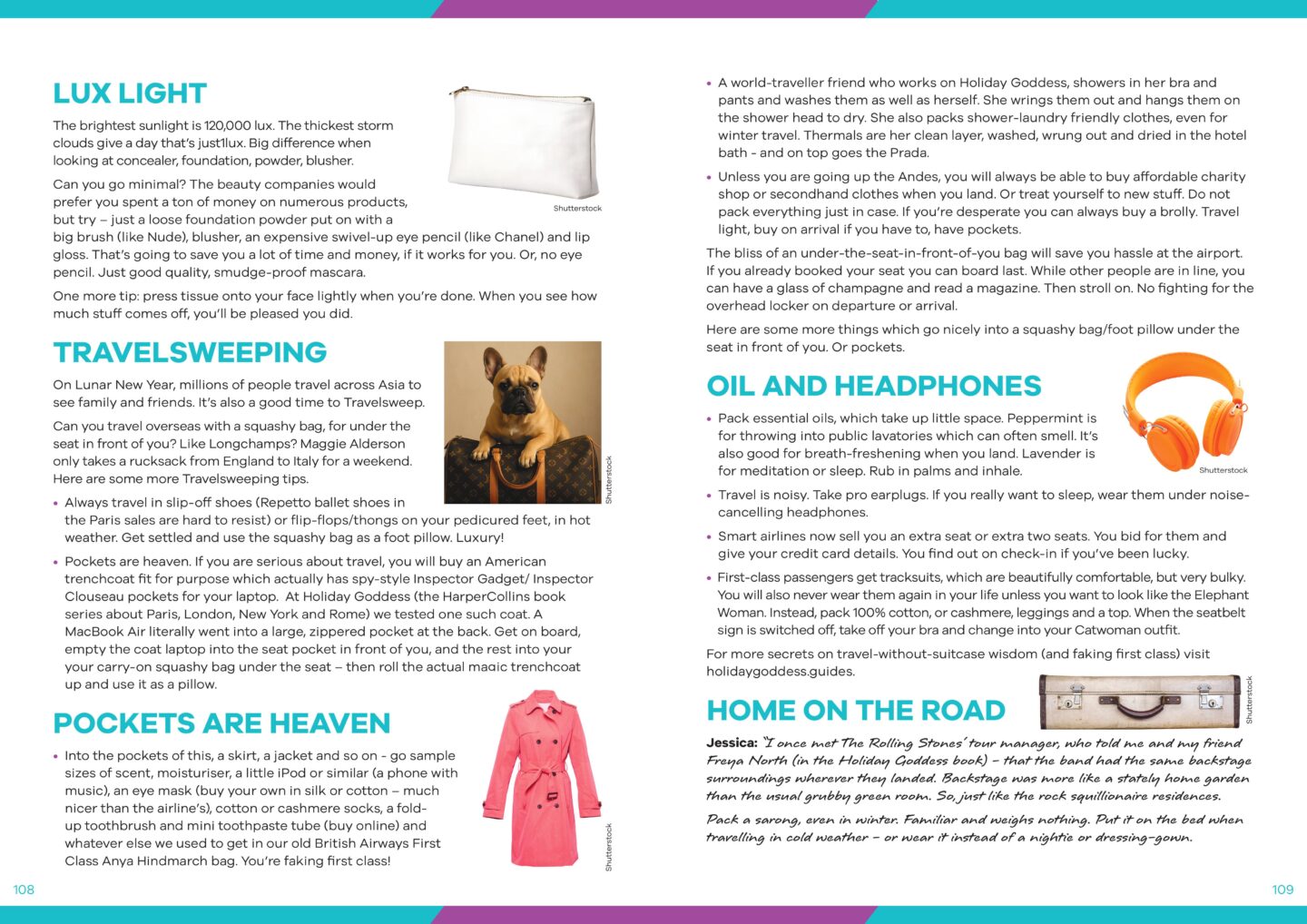
I’ve been researching a new guide called Lifesweeping with my fellow authors, Substack bestseller Alicia Fulton and Sunday Times bestseller Rachel Wells.
We go into colour quite a lot, which led me to pink. A pink raincoat is so cheerful on a grey day, but why?
I’ve never used it in home decorating, but science is now persuading me it might be a good idea. How about you? To start with, though, pink is a female colour.
When we launched our series for Penguin and HarperCollins, Girls’ Night In, we saw plenty of pink on our front covers. It was the era of blockbuster Chick Lit and it was hard to find a paperback that wasn’t rosy or hot.
It’s the same with erotica. When I edited In Bed With, for Little Brown, the cover turned up in lingerie pastel pink.
Girls Like Pink
Girls like pink, not blue. That’s a repeated finding in research. So, is that why women prefer to add pink to (say) the bedroom?
Everybody Prefers Pink
However, it’s not just girls. Before they are taught it’s a girlie colour, boys like pink too. In a large cross-sectional study, children aged 7 months to 5 years were offered eight pairs of objects and asked to choose one.
In every pair, one of the objects was always pink. By the age of 2, girls chose pink objects more often than boys did, and by the age of 2.5, they had a significant preference for the colour pink over other colours. At the same time, boys showed an increasing avoidance of pink. So they learned sex difference through colour.
(Yet, sneakily, I have a theory that grown men find soft pink relaxing, especially in the bedroom or bathroom).
Bits of Pink
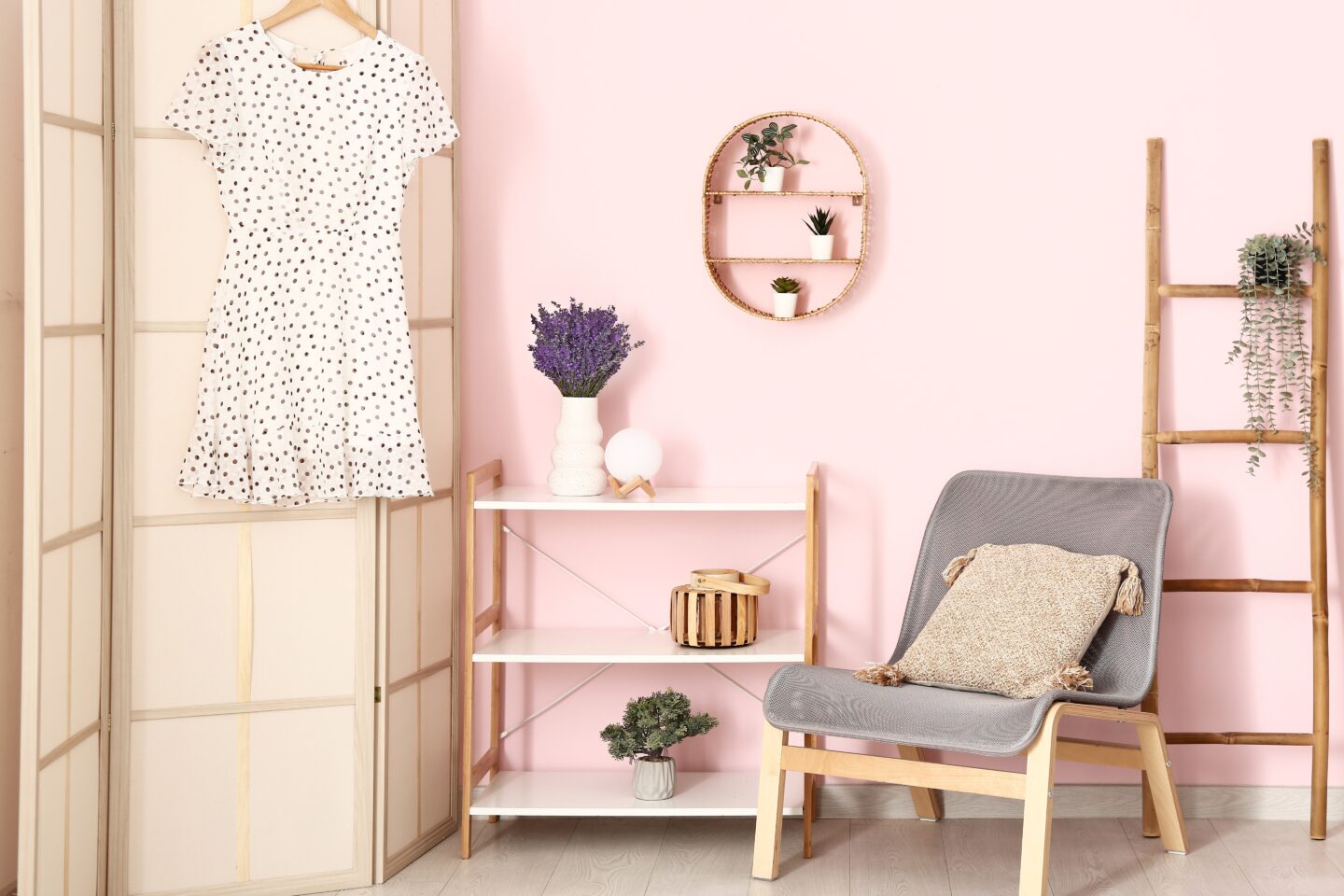
Because pink is such a big, feminine statement, people (unless they are wilful eccentrics) decorate with other colours, but might add one hot pink velvet cushion or just a pale pink bath towel set.
Some women do this deliberately so their towels remain their own in the bathroom (all male members of the family, swear off).
Innocent and Vulnerable
Pink is for baby girls, so it signals innocence and vulnerability, to some.
British culture secretary Tessa Jowell, was in a financial scandal solved by separation from her husband. At this critical moment in her career, she confronted the press wearing pastel pink. It’s not as loud and obvious as all-white (‘I’m innocent!’) but perhaps it works as well, psychologically.
These things are subtle. Psychologists who specialise in colour believe that legal situations where someone needs to appear pure – suit paler, purer colour. It works on their subconscious, the theory goes.
The Seventies and Pink
The colour researcher Paoletti found that in the 1970s, the Sears, Roebuck catalogue pictured no pink toddler clothing for two years. Then came sex tests for unborn children.
Prenatal testing was a big reason for the change to pink. It was purely for money reasons.
Expectant parents learned the sex of their unborn baby and then went shopping for “girl” or “boy” merchandise. (“The more you individualize clothing, the more you can sell,” Paoletti says.)
The pink fad spread from sleepers and crib sheets to big-ticket items such as strollers, car seats and riding toys.
Affluent parents could conceivably decorate for baby No. 1, a girl, and start all over when the next child was a boy.
The excitement began with the first sex test of the baby in the womb and the shopping began fast, furiously and months earlier than usual.
Clever.
Breast Cancer
The pink ribbon is one of the most widely recognized symbols in the United States. It can symbolize strength, hope, responsibility, empathy, and permission to discuss breast cancer.
When we were working on Amphlett Lane in Melbourne in honour of Chrissy Amphlett, her husband Charley Drayton and cousin Patricia Amphlett began the campaign, I Touch Myself. That went out in serious black and white, though, not pink. Chrissy was a black leather jacket rock chick.
Jayne Mansfield
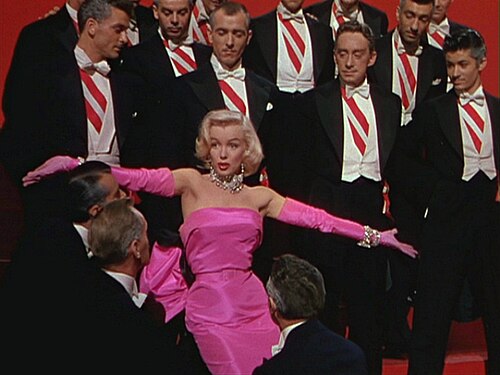
Jayne Mansfield said “Pink was my colour because it made me happy.”
She owned a pink Jaguar and wore tight pink dresses. A lot.
For some reason – pink, leopardskin and blonde – are associated with retro Fifties and Sixties looks. It’s high camp.
Think Pink
June McLeod, author of Colour Psychology Today, associates the colour with the phrase ‘tickled pink.’
If you’re happy or amused, you’re tickled pink. Tickling is a light touch that makes us (usually children) giggle.
It comes from the Middle English word, ticken.
Charles Darwin even made a study of tickling! It’s part of children-parent bonding.
No wonder pink finds its way into so many bedrooms, even if it’s just a flower in a vase.
In marketing, people trying to sell to women will often refer to ‘Pink Think’ or ‘Think Pink.’
It’s the colour of the young girl. Girlish female. And Think Pink extends to lipstick, to blusher and to fragrance, with pink packaging – or rose packaging.
Male Prisoners
Prisons have painted their walls pink to reduce aggression in the men inside.
The ‘pink pound’ is associated with gay male spending in Britain too.
Pink and Food
A certain shade of pink can reduce the desire for food, according to one study by Schauss (1981). In contrast, red is the fast food colour (McDonalds, Coke, Hungry Jacks). Perhaps it’s time to paint your kitchen pink.
Soothing Pink
Is pink soothing because we associate it with pink nipples, breasts and thus, breast feeding from our mums? Perhaps.
Maybe that’s why singer Pink called herself Pink, rather than Alecia Beth Moore-Hart. She’s a global musical comfort!
Roses and Barbie
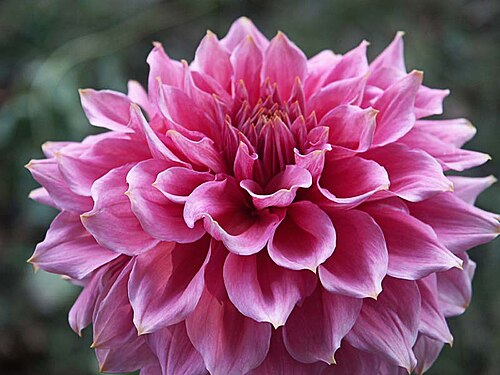
Above all else, pink occurs in nature through flowers, usually with a sweet scent.
Pink roses are associated with bridal bouquets, romantic wedding anniversary presents (from male to female partner) and of course, Barbie, too. The ultimate girl’s girl.
Writing in Pink: The History of a Colour, Michel Pastoureau says, “Pink has such powerful associations today that it’s hard to imagine the colourr could ever have meant anything different. But it’s only since the introduction of the Barbie doll in 1959 that pink has become decisively feminized. Indeed, in the eighteenth century, pink was frequently masculine, and the colour has signified many things beyond gender over the course of its long history—from the prim to the vulgar, and from the romantic to the eccentric.”
Eccentric Pink at Home
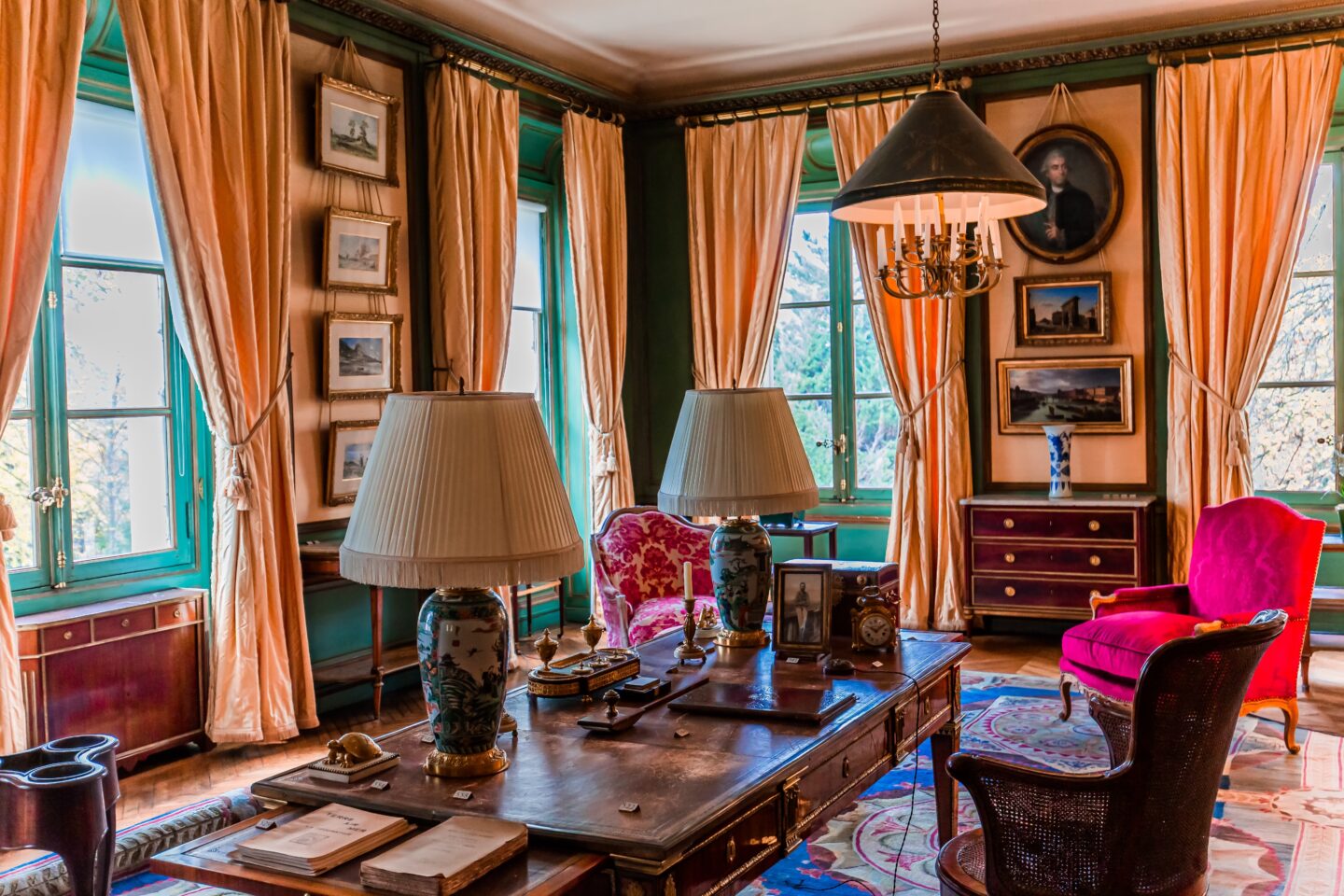
Quirky, offbeat, Bohemian pink can turn up with one hot pink painted wall in an otherwise white room. Or, one pink abstract painting in an otherwise tame beige sitting room.
There is a whole category of flowers named pinks. A big bunch of fresh pink flowers isn’t eccentric, but strands of pink Indian fabric flowers draped over a hat stand are.
Fresh, New, Pink Dawn
Pink is the colour of dawn. The sun comes up and the sky streaks pink. Homer wrote in the Odyssey in 800BC, ‘The Child of morning, rosy-fingered dawn.” Lucretius also wrote about a pink dawn.
It seems a natural fit for the bedroom, then. Or the bathroom. The fresh start to a new day.
It’s a good colour for firsts, in your wardrobe. First date. First job interview (a touch of pink reminds your interviewer that you are the right female candidate for a job where they want a woman). The first inauguration of Dwight E. Eisenhower saw his wife Maimie in pink.
This was thought to be the key American turning point in the association of pink with ladies – and ladylike, ladies. It took off.
Shocking pink has its origins with, of course, Elsa Schiaparelli who invented it in 1931. It helped that she knew surrealist painters as friends.
Magenta was mixed with white and a look was born. She launched a perfume called Shocking, sold in a bottle in the shape of a woman’s torso, said to be modelled on Mae West.
At some point, pink also became the badge of gay men in the 20th century rights movement.
The Science on Sunrise Pink
So if you want to make a first impression in your wardrobe, or want a sunrise feeling for your bedroom when you open the curtains (or in the bathroom first thing when you start the day) it’s sunrise pink you want.
And it works at sunset too. So perhaps at home, where you begin and end your day, looking for a fresh feeling (morning) or a relaxing wind-down (evening) it makes sense to think pink.
Funnily enough insulation is also pink. Or it can be, with certain companies. We’re back to the cosy/comfort angle on pink again, suggested by a baby’s first contact with her or his mum’s breast. In fact, Owens Corning trademarked their pink insulation.
Barbiecore
The only issue with pink in the second half of the 2020s is the dated association with Barbiecore, which Vogue were writing about when the hit film emerged.
The generation who came of age in 2017 loved it. In fact there was a shade of pink just for them (Millennial Pink) that year.
Maybe a pink chopping board in your kitchen won’t date as much – but forget the full Barbie Caravan look for your bedroom.
The Pink Chakra
When I was researching the aura and chakra system in Lifesweeping it became clear that green is the heart chakra colour, not pink.
So why do so many new age shops sell pink quartz crystals to attract love?
Well, because it sells. But the experts on the human colour energy field say your heart is green, not pink.
If you’re decidedly non-pink in your approach to your clothes or your home, you may want to try with a bunch of pink flowers to see how you feel about it.