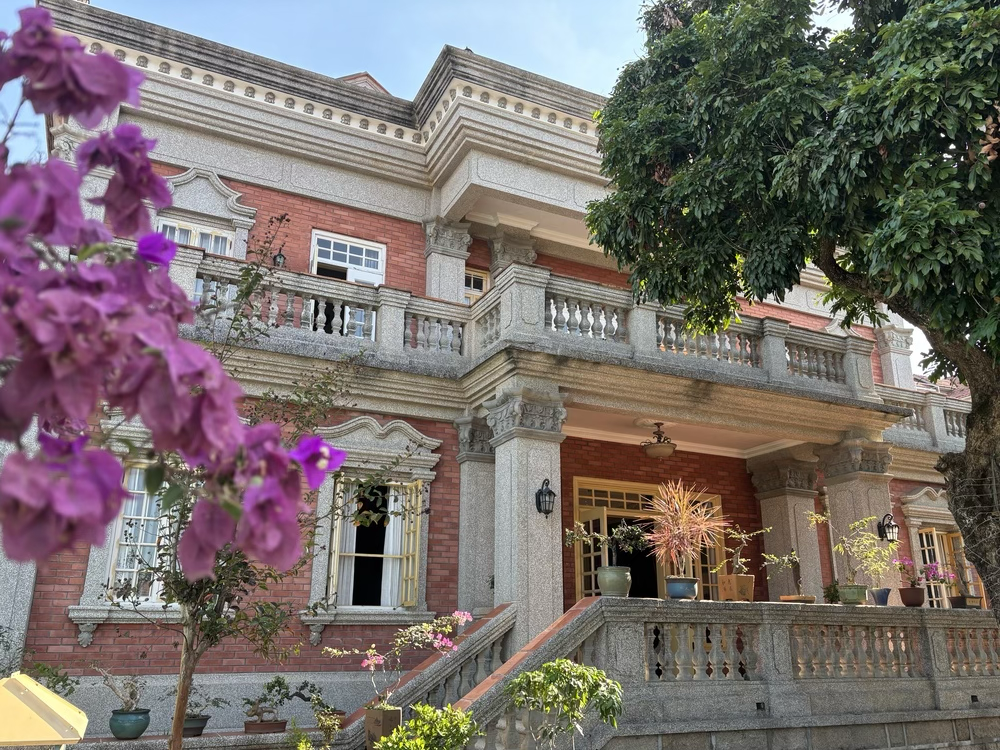
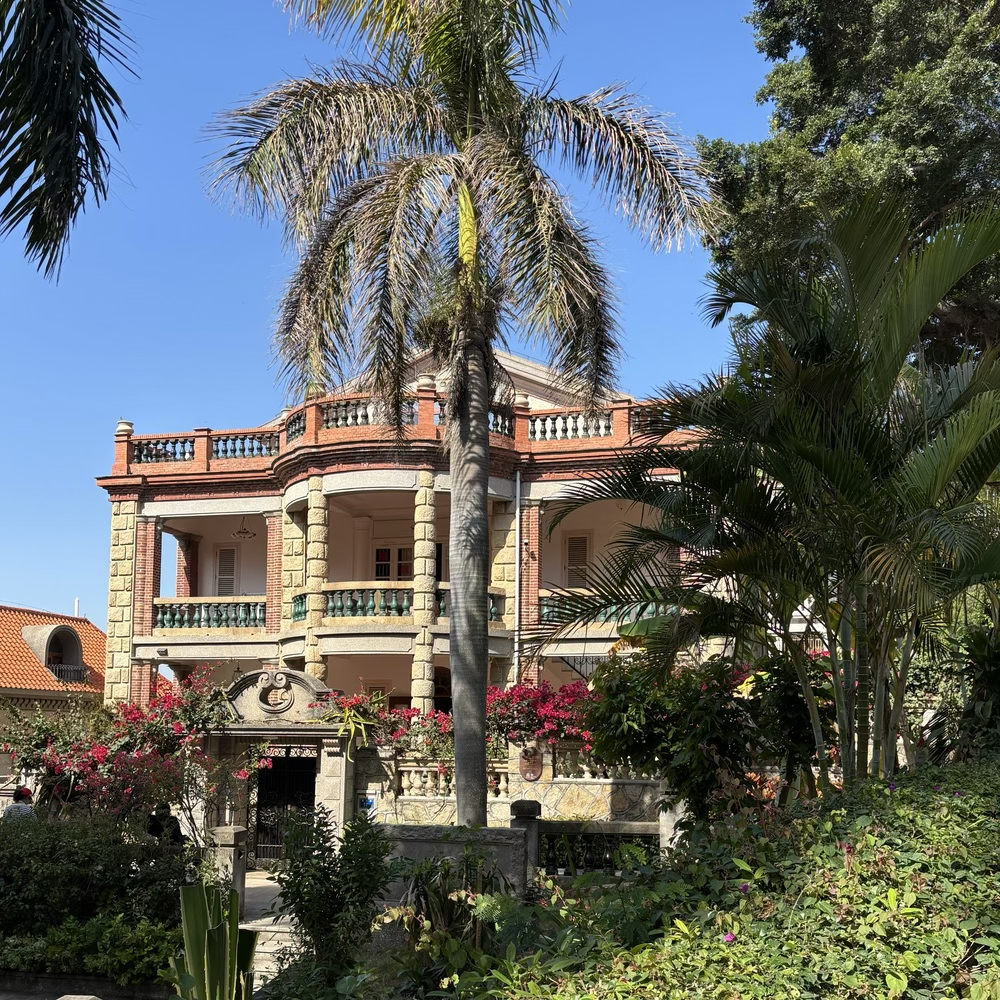
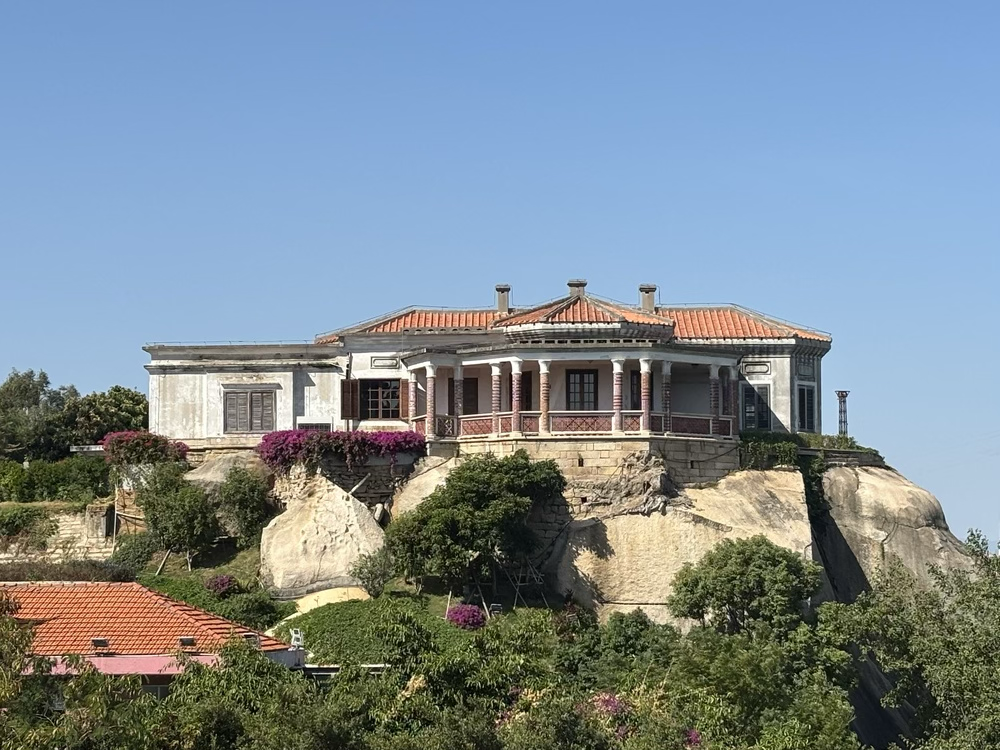
Gulangyu is a separated by the South China Sea and a couple of centuries from the gleaming Xiamen Island – so visible and so close. Gulangyu, also called Kulangsu in the local Minnan dialect, has many historical mansions, no cars and such a relaxed vibe that you could be in a wealthy 19th century European city but for the language and food. Until the middle of the 20th Century wealthy foreigners and Chinese built their impressive homes densely across its tiny 3 square kilometres.
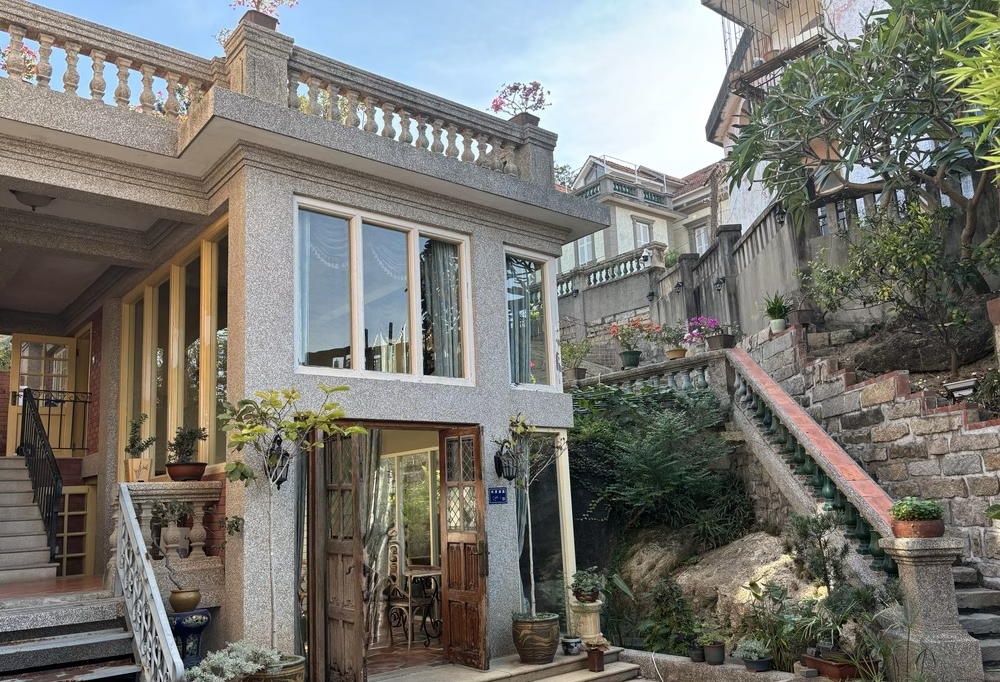
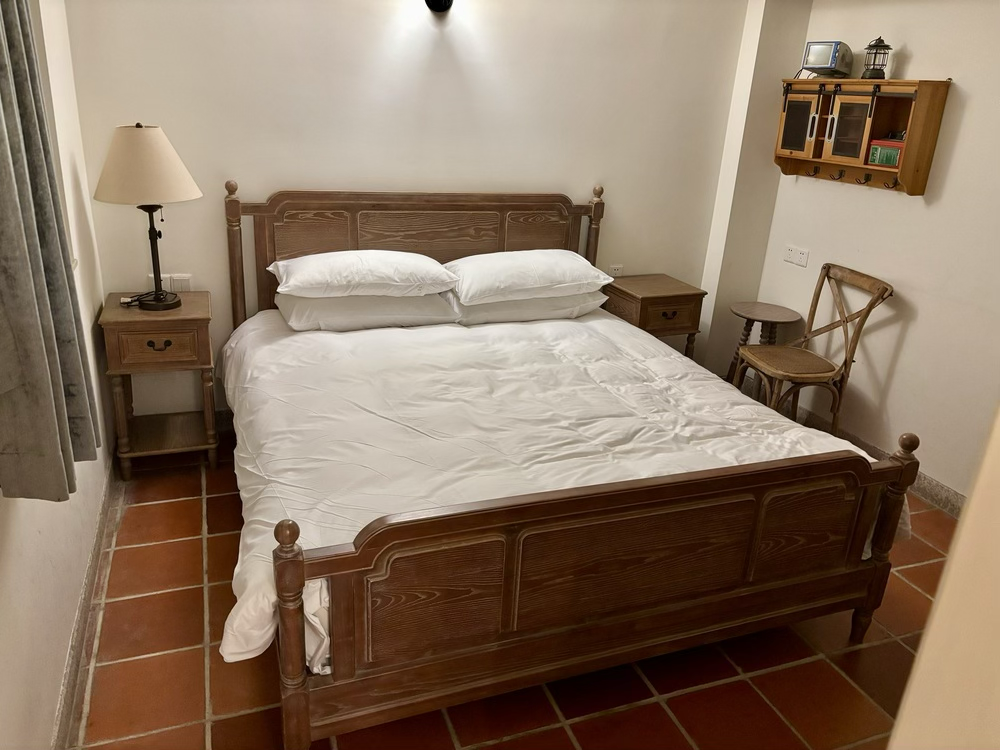
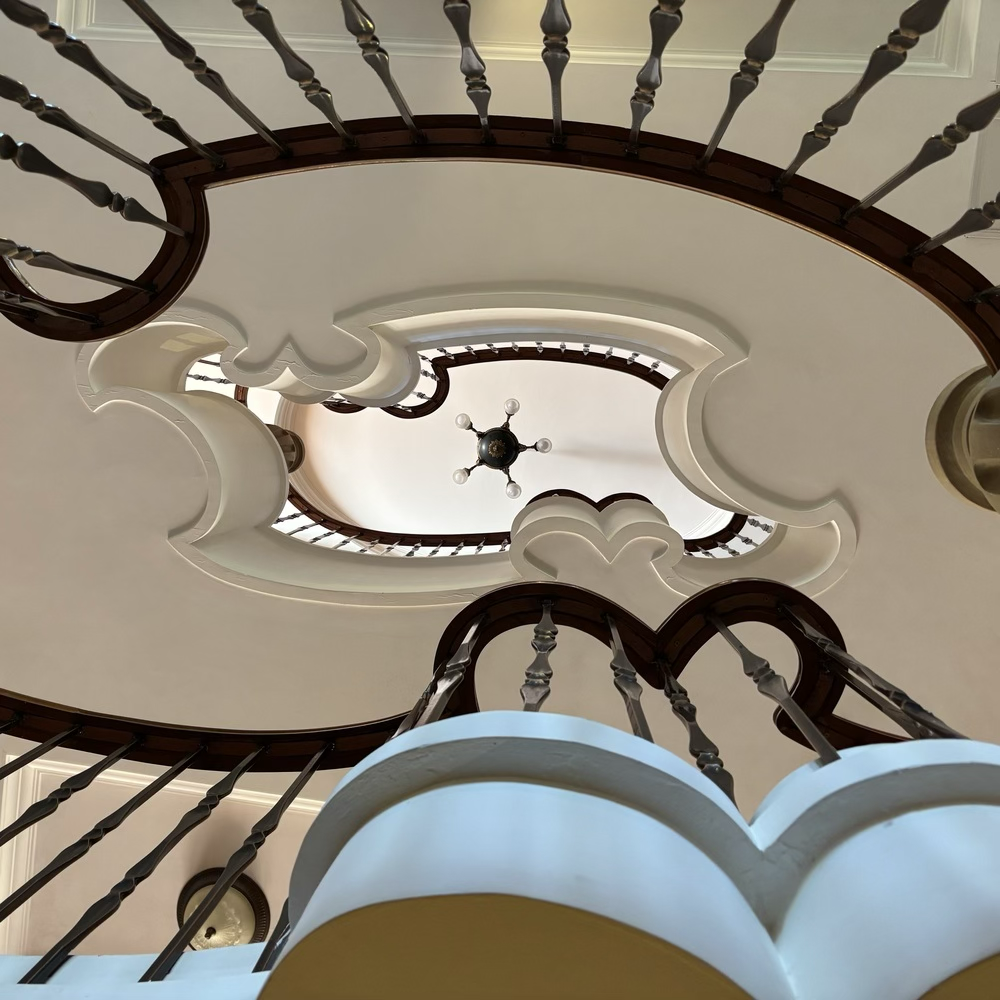
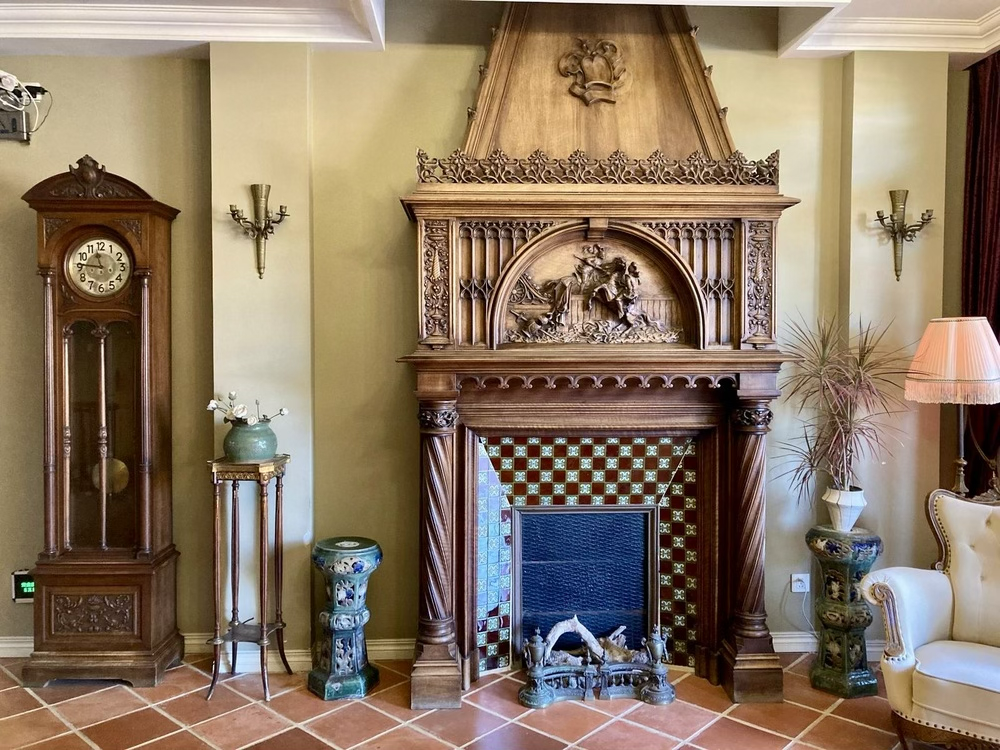
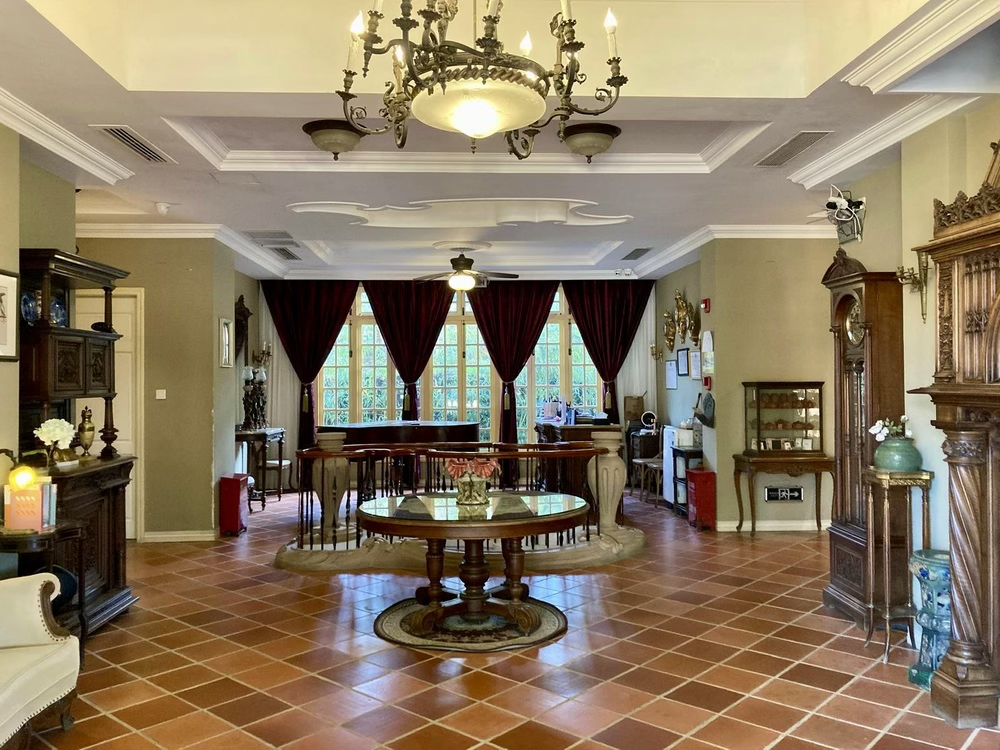
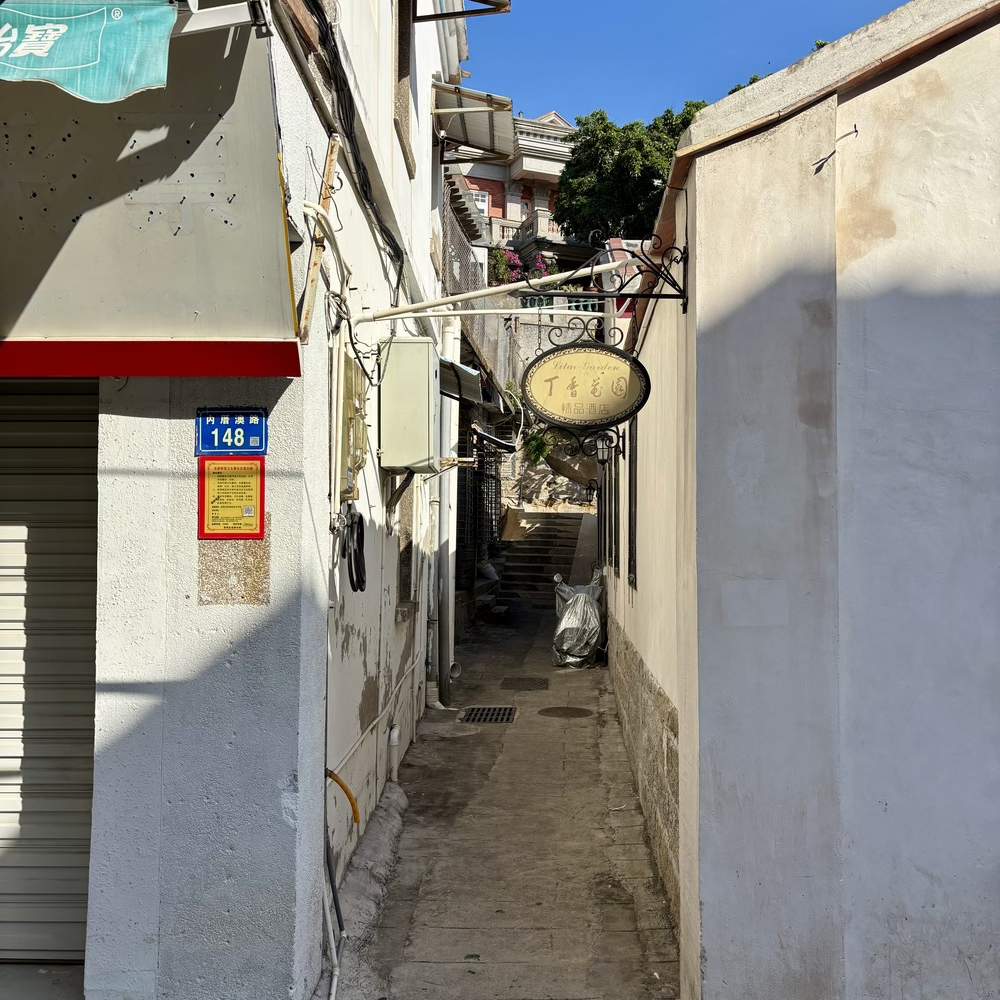
Now, many of these homes are hotels restored to varying degrees of authentically. We stayed in the beautifully restored Lilac Garden Hotel (鼓浪屿丁香花园旅馆) – unmarred by the bizarre bright or modern lighting some other renovators have embraced. The owner of Lilac Garden, who lives on the entire top floor, had travelled to world to collect the style and objects to realise her dream.
We arrived in the afternoon at Sanqiutian Port (三丘田码头) with time and energy to find the hotel – there’s a map on trip.com and a small sign on a laneway leading up steps to the Lilac Garden hotel. The manager took us to the rooftop patio where we could the see the iconic Sunlight Rock – the highest point on the island.
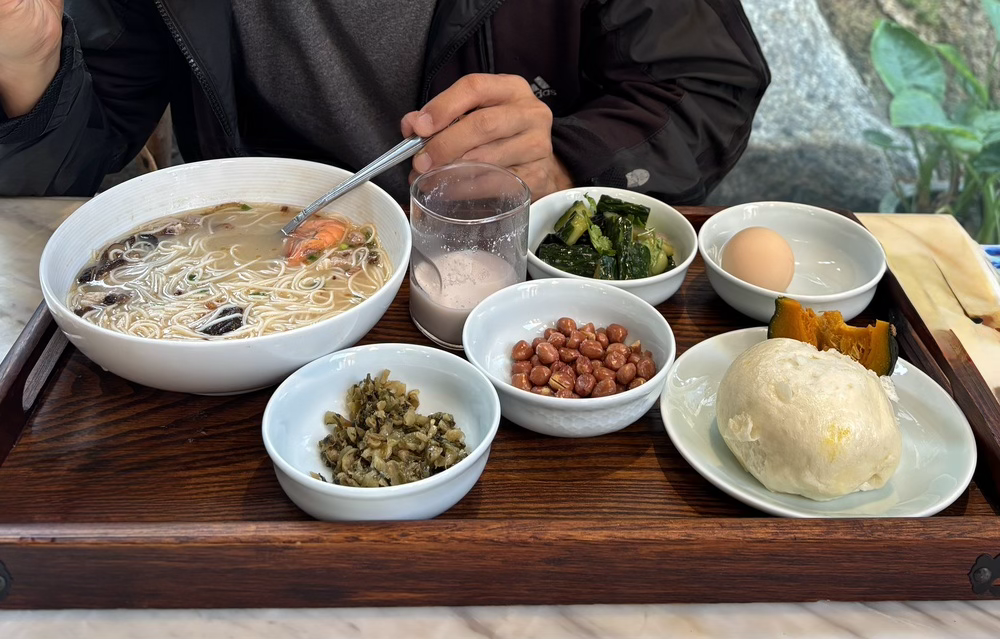
Lilac Garden has only 15 rooms. I had booked the cheapest, though for a little more we would have had balcony rooms on the upper floors. Our rooms had a comfortable bed, a good shower and mosquito screens on the windows. The owner said it was one the few hotels on Gulangyu that provides a breakfast, including vegetables grown in their garden, that was large enough to ellipse lunch. Each room was less than AUD50 per night – however owner warned it would be eight time that in high season.
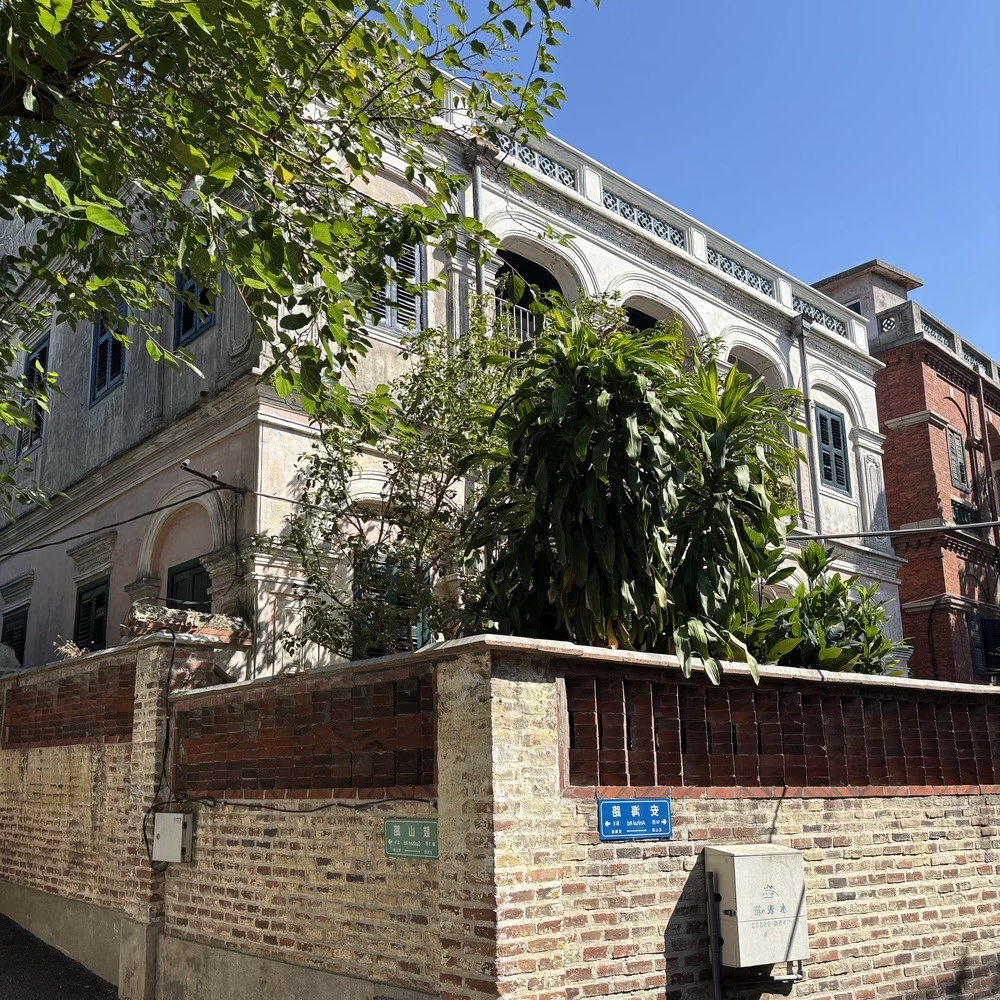
Gulangyu is small and dense enough to tranquilly pass a couple of days. Many of the mansions are empty and with a plaque stating “Unrated Immovable Cultural Heritage” – meaning before they can be redeveloped the government will need to identify the historical owner is or just wait until the lease on the land expires.
Just a few of the places you’ll see as you wander:
- Bagua Mansion was a home built by a wealthy Taiwanese and is now the organ museum.
- The old Hong Kong Shanghai Bank Building is visible on a hill near Bagua.
- Chuncao Villa was the home of a builder who patched together a few European styles to demonstrate his skill.
- A Piano museum donated by a Melbourne Chinese.
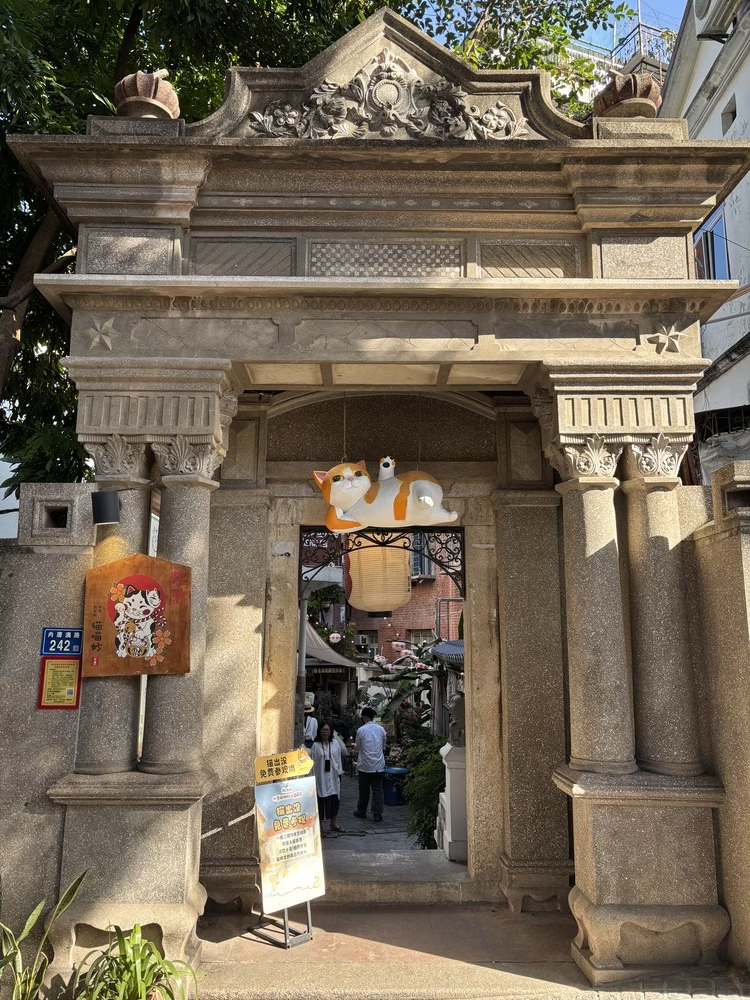
- Even the stray cats have a mansion rescue center and a nearby hotel to live in guests.
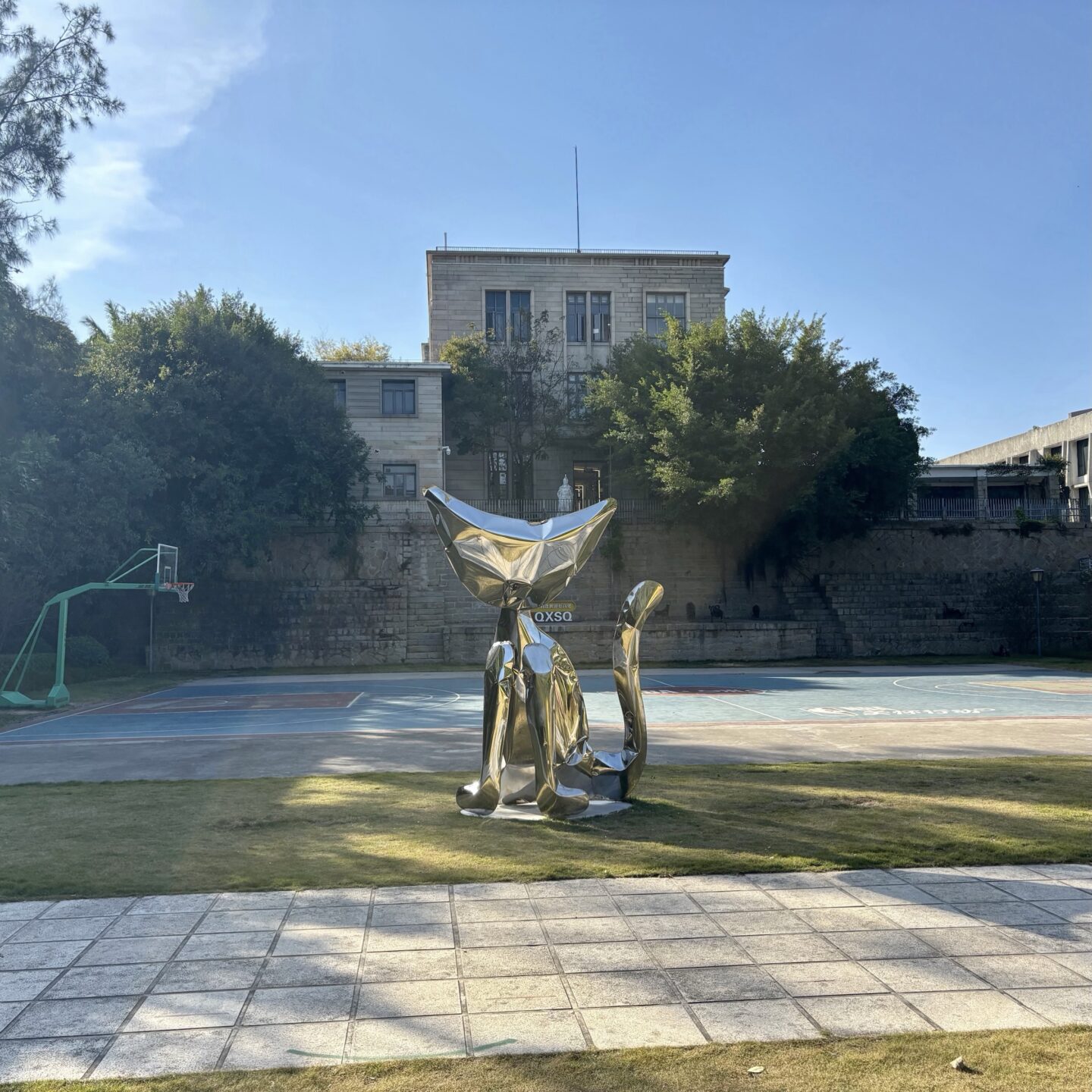
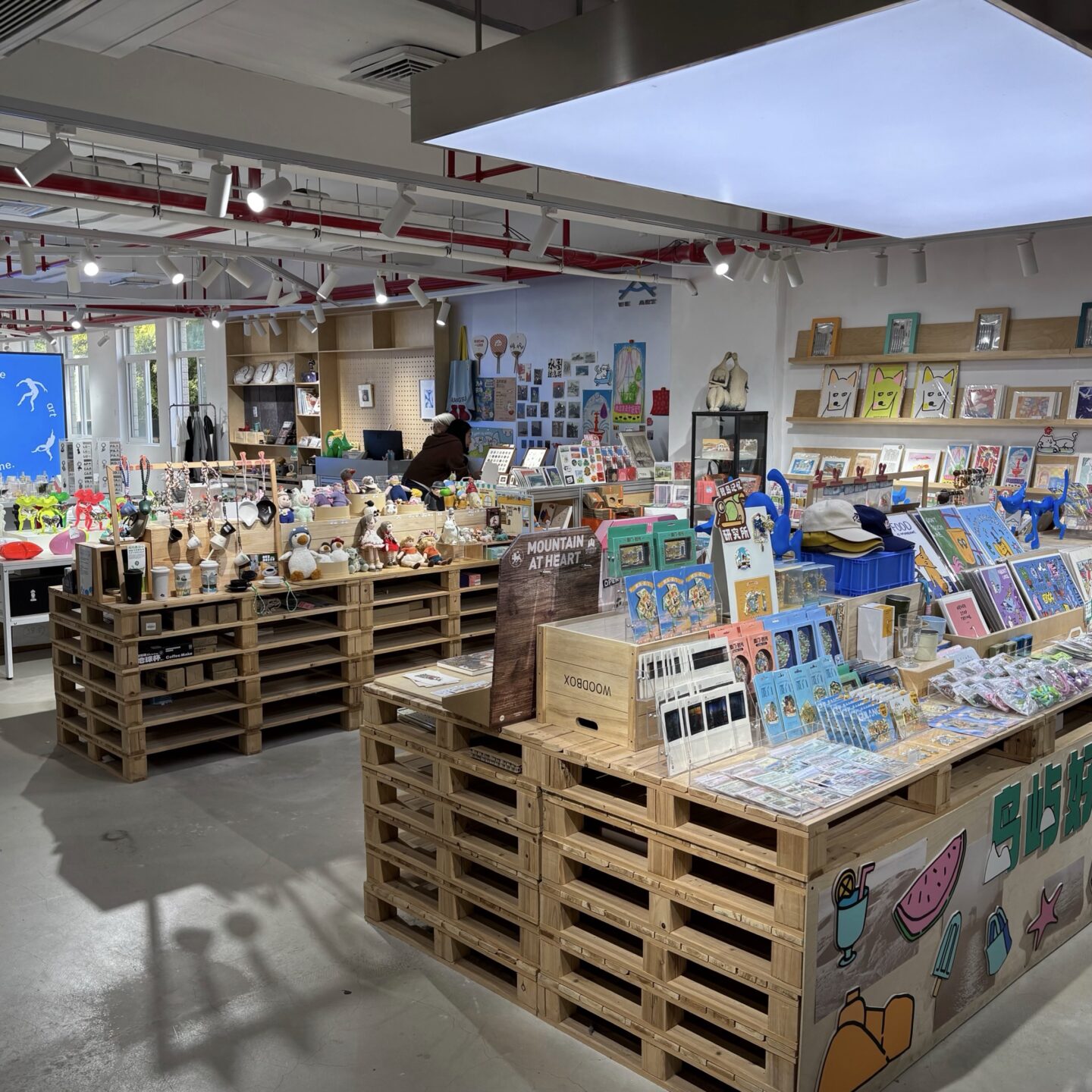
Also, With entrances both on the high ground and near the ferry stop, Neicuoao (内厝澳码头) , Kulangsu Art Park houses an art school, restaurants and retail in expansive grounds. In school term you’ll see some students creating.
Need to Know:
Cruise Centre (邮轮中心) Metro stop on Xiamen Island is near the Xiamen Tourism Passenger Wharf (厦门旅游客运码头), were ferries leave for Sanqiutian (三丘田码头) and Neicuoao (内厝澳码头) on Gulangyu. There is another local wharf, but tourists aren’t always allowed to use it. You’ll need your passport to buy a ferry ticket.
There’s lots of hills and you’ll probably get lost …so pack light.
You’ll need Trip.com to book, WeChat to communicate and Alipay to buy things.
See Shapowei Solo – Going Native in China
Nice to Know:
I lost my return ferry ticket. No problem – the staff scanned by passport at the ferry gate. One benefit of endless surveillance.
Don’t Want to Know
The governments limit the number of people on Gulangyu to 50,000. In high season when 1.4 billion Chinese are on the move, there’ll be impossible ferry queues and a crowded expensive experience while you are there. Worth avoiding.